

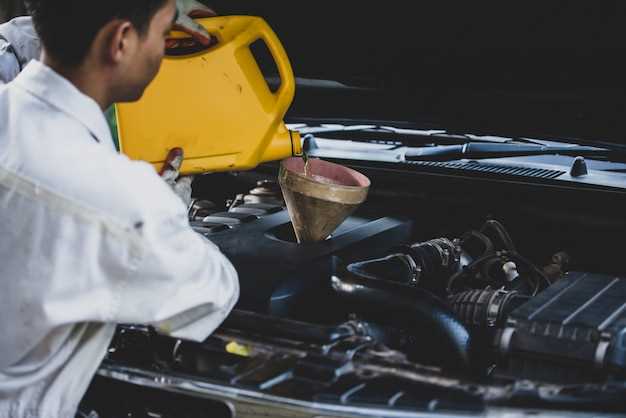
Transmission fluid plays a crucial role in the overall health and performance of a vehicle’s transmission system. This specialized fluid not only provides essential lubrication to the intricate gears and components within the transmission, but it also ensures that these parts operate smoothly and efficiently. Regular maintenance of transmission fluid is vital for preventing costly repairs and ensuring the longevity of the vehicle.
Without adequate lubrication, the moving parts of the transmission can experience excessive wear and tear, leading to potential failures. Transmission fluid serves multiple functions beyond mere lubrication; it also aids in heat dissipation and provides hydraulic pressure necessary for gear shifting. Understanding the importance of maintaining optimal transmission fluid levels is key to ensuring a vehicle operates at its best.
Drivers often overlook transmission fluid in their vehicle maintenance routines; however, being proactive about this fluid can help avert serious issues. Regular checks and timely changes not only keep the transmission system functioning effectively but also enhance overall vehicle performance. In essence, the importance of transmission fluid cannot be overstated–its proper maintenance is essential for a well-functioning vehicle.
How to Identify Signs of Worn Transmission Fluid
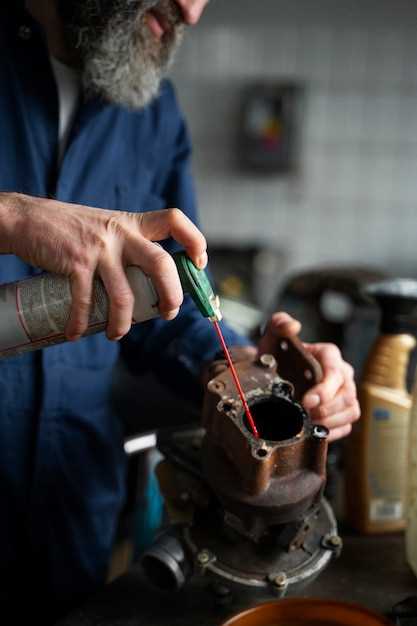
Understanding the condition of your transmission fluid is crucial for the health of your vehicle’s transmission system. Here are several key indicators that suggest your transmission fluid may be worn or degraded:
- Color Change: Fresh transmission fluid is typically red or pink. If the fluid appears brown or has a dark color, it may indicate that it is old and needs to be replaced.
- Burnt Smell: Transmission fluid should have a slightly sweet smell. A burnt odor is a clear sign that the fluid has broken down and is not performing effectively.
- Presence of Particles: If the fluid contains sludge or metal particles, it may indicate wear within the transmission components. This contamination can severely affect performance.
- Delayed Shifting: If you notice that your vehicle hesitates or experiences delays when shifting gears, this could be due to inadequate or worn transmission fluid, affecting the hydraulic pressure.
- Slipping Gears: If the transmission slips out of gear while driving, it might be due to low or degraded fluid, creating insufficient lubrication for proper operation.
Regularly checking and maintaining the quality of your transmission fluid can prevent serious transmission issues and prolong the life of your vehicle. If you notice any of these signs, it is advisable to consult a professional for further inspection and fluid replacement.
The Role of Lubrication in Transmission Performance
The transmission system in a vehicle plays a critical role in transferring power from the engine to the wheels. A key component of this system is the transmission fluid, which serves multiple purposes essential for optimal performance. Proper lubrication provided by the transmission fluid minimizes friction between moving parts, enabling smooth shifts and efficient power transfer.
When the transmission fluid is in good condition, it promotes effective cooling of the transmission components. Excessive heat can lead to wear and tear, significantly affecting performance and longevity. Lubrication helps to dissipate heat generated during operation, ensuring that the transmission maintains an ideal temperature range.
Additionally, the quality of the transmission fluid impacts the hydraulic pressure within the system. This pressure is necessary for the proper functioning of automatic transmissions, as it enables the engagement and disengagement of gears. Lubrication ensures that the hydraulic pathways remain clear and efficient, preventing leaks and ensuring responsive gear changes.
Contamination can degrade the effectiveness of the transmission fluid, affecting its lubricating qualities. Regular fluid changes are crucial to maintaining the necessary properties for optimal lubrication. Without proper maintenance, the transmission system risks premature failure, leading to costly repairs.
In summary, lubrication through transmission fluid is vital for maintaining performance, efficiency, and longevity of a vehicle’s transmission system. The interplay between fluid properties, friction reduction, and heat management is essential for optimal operation.
Best Practices for Maintaining and Replacing Transmission Fluid

Maintaining proper transmission fluid levels is essential for optimal performance and longevity of your vehicle’s transmission system. The right lubrication minimizes wear and tear, reducing the risk of overheating and mechanical failures. Here are key practices for maintaining and replacing transmission fluid:
1. Regular Inspection: Check the transmission fluid level regularly using the dipstick, if available. Ensure the fluid is at the recommended level. Look for discoloration or a burnt smell, indicating the need for a change.
2. Follow Manufacturer Guidelines: Consult your vehicle’s owner manual for specific recommendations on fluid type and replacement intervals. Each vehicle may have unique requirements that should not be overlooked.
3. Fluid Quality: Use high-quality transmission fluid that meets or exceeds manufacturer specifications. Proper fluid ensures effective lubrication and prevents damage caused by inferior products.
4. Change Fluid Periodically: Replace the transmission fluid at recommended intervals, which may vary based on driving conditions. Severe driving conditions, such as towing or stop-and-go traffic, may necessitate more frequent changes.
5. Flush the Transmission System: Consider performing a full flush of the transmission system periodically. This process removes old fluid and prevents contaminants from affecting the new fluid’s performance.
6. Monitor for Leaks: Keep an eye out for signs of fluid leaks, such as reddish puddles under the vehicle. Addressing leaks promptly helps maintain safe fluid levels and prevents further damage to the transmission.
By adhering to these best practices, you can enhance the reliability and efficiency of your vehicle’s transmission system, ensuring the necessary lubrication for smooth operation.