

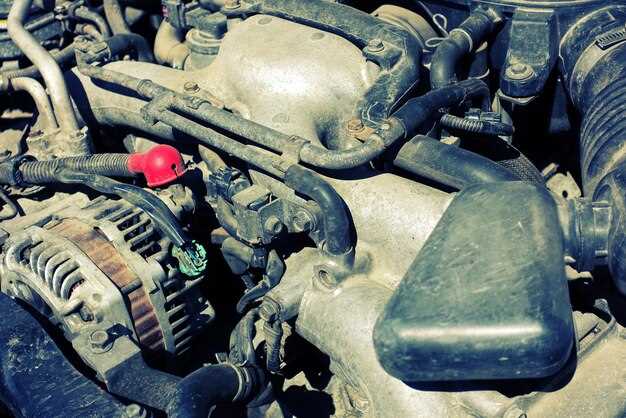
Engine overheating is a common issue that can lead to significant mechanical failures if not addressed promptly. Understanding the causes of this phenomenon is essential for vehicle owners and mechanics alike. One of the primary factors contributing to engine overheating is a malfunctioning thermostat. This critical component regulates the flow of coolant through the engine, ensuring it operates within the optimal temperature range. When a thermostat fails to open or close properly, it can impede coolant circulation, resulting in elevated engine temperatures.
Another common cause of engine overheating is insufficient coolant levels. Coolant serves as the primary heat transfer fluid within the engine, absorbing excess heat generated during operation. A leak in the cooling system, whether from hoses, gaskets, or the radiator itself, can lead to a rapid decrease in coolant levels, fostering conditions ripe for overheating. Additionally, a blocked radiator or damaged water pump can prevent effective heat dissipation, exacerbating the overheating issue.
Moreover, the accumulation of dirt and debris in the cooling system can hinder the performance of the thermostat and other cooling components. Regular maintenance, such as flushing the coolant system and checking for clogs or leaks, is vital for ensuring optimal engine health. In this article, we will delve deeper into these causes and explore effective solutions to prevent engine overheating, thus protecting your vehicle’s longevity and performance.
Identifying Thermostat Failures and Their Impact on Engine Temperature
The thermostat plays a crucial role in regulating engine temperature by controlling the flow of coolant to the engine. When it fails, it can lead to significant overheating issues, affecting the overall performance and longevity of the engine.
Here are some common signs of thermostat failure:
- fluctuating temperature gauge: Sudden spikes or drops in the gauge can indicate that the thermostat is not functioning properly.
- engine overheating: A stuck thermostat often prevents coolant from circulating, causing the engine to overheat.
- cold engine performance: If the engine temperature remains low, it may be a sign that the thermostat is stuck open, preventing it from reaching optimal operating temperature.
- coolant leaks: An improperly functioning thermostat can cause pressure build-up, leading to leaks around the housing unit.
Identifying these symptoms early can help prevent severe damage. Addressing thermostat failures promptly involves:
- visual inspection: Check for signs of corrosion or damage around the thermostat housing.
- testing the thermostat: Remove and test the thermostat by placing it in boiling water to ensure it opens and closes at the specified temperature.
- consulting a professional: If you are unsure, seeking the expertise of a mechanic can provide a thorough diagnosis.
Failure to address thermostat issues can lead to severe engine damage, such as warped cylinder heads or blown gaskets. Maintaining the thermostat in optimal condition is essential for engine efficiency and preventing overheating.
Common Coolant Issues Leading to Overheating and Fixes
Engine overheating often results from problems related to the coolant system. Identifying these issues is crucial for ensuring optimal engine performance. Below are some common coolant-related problems and their respective solutions.
1. Low Coolant Level: One of the most frequent causes of overheating is low coolant levels. This can occur due to leaks in hoses, the radiator, or the engine itself. To fix this issue, regularly check the coolant reservoir and refill it to the recommended level. Additionally, inspect the system for leaks and replace any damaged components.
2. Coolant Leak: Coolant leaks can lead to significant drops in the fluid level, affecting the engine’s cooling capability. Common leak points include the radiator, water pump, and hoses. To address this, visually inspect these components and use a pressure tester to identify leaks. Repair or replace any damaged parts promptly.
3. Stuck Thermostat: A malfunctioning thermostat can cause the engine to overheat by restricting coolant flow. If the thermostat is stuck in the closed position, the engine cannot receive the coolant it requires. Replace the faulty thermostat to restore proper coolant circulation and prevent overheating issues.
4. Air Pockets in the Cooling System: Air trapped in the coolant system can prevent the fluid from circulating effectively, leading to overheating. Bleeding the system to remove trapped air is essential. Follow the vehicle’s service manual for the proper procedure to bleed the cooling system.
5. Contaminated Coolant: Over time, coolant can become contaminated with rust, dirt, and debris, which can hinder its cooling properties. Regularly flush and replace the coolant as recommended by the manufacturer to prevent this issue. Ensure that the coolant used meets the specific requirements for your engine.
6. Failing Water Pump: The water pump plays a critical role in circulating coolant throughout the engine. A failing pump can result in insufficient coolant flow, leading to overheating. If you suspect a water pump failure, inspect it for leaks or unusual noises. Replacing the pump as needed will restore proper coolant circulation.
Addressing these common coolant issues can significantly reduce the risk of engine overheating. Regular maintenance and timely repairs will ensure that your engine operates within its optimal temperature range.
Signs of a Failing Water Pump and Remedies for Engine Cooling Problems
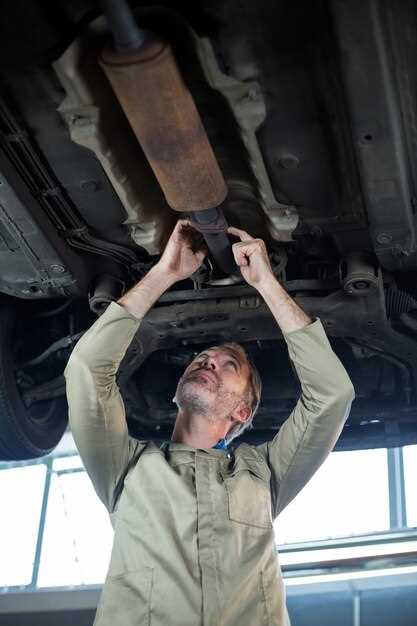
The water pump plays a critical role in maintaining the engine’s temperature by circulating coolant through the engine and the radiator. A failing water pump can lead to severe overheating issues. Recognizing the signs of a malfunctioning water pump can help in preventing significant engine damage.
One common sign of a failing water pump is coolant leakage. If you notice puddles of coolant under your vehicle, it may indicate that the water pump is not sealing properly. Additionally, check for any signs of corrosion or rust around the pump area, which can also signal impending failure.
Another indicator is unusual noises coming from the engine bay. A failing water pump may produce grinding, whining, or squeaking sounds, suggesting that the internal bearings are worn. If you observe these noises, it’s crucial to act quickly to avoid further damage.
Overheating of the engine is a severe consequence of a failing water pump. If the engine temperature gauge indicates high temperatures, combined with the other symptoms mentioned, it could be a sign that the water pump is not effectively circulating the coolant. Be attentive to the thermostat response; if it fails to open or closes prematurely due to water pump issues, it will further exacerbate cooling problems.
To remedy engine cooling problems related to a defective water pump, the first step is to diagnose the issue accurately. If coolant leaks or strange noises are present, inspect the water pump for wear and tear. Replacing the water pump is often necessary if it shows signs of failure. Furthermore, ensure that all hoses connected to the pump are intact and not obstructed.
Regular maintenance is vital to prevent future problems. Check and replace the coolant regularly, and ensure the thermostat is functioning correctly. If the thermostat is faulty, it may need to be replaced as well to maintain an optimal engine temperature.
In summary, being vigilant about the signs of a failing water pump and understanding the remedies can help maintain your engine’s cooling system and prevent overheating issues effectively.