

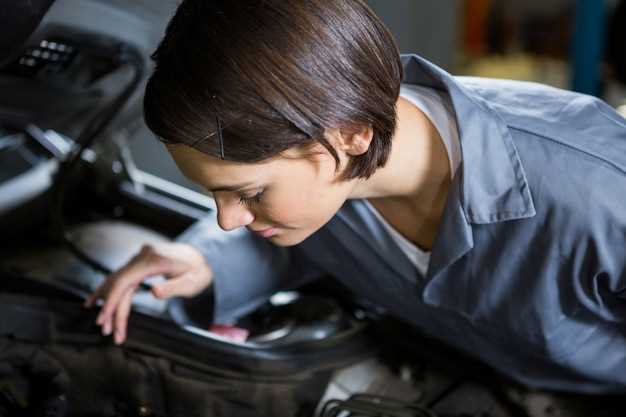
Investing in a car is a significant decision, and to ensure its longevity, consistent care is essential. Regular maintenance not only enhances the longevity of your vehicle but also contributes to safety on the road. Implementing a few simple checks can prevent minor issues from escalating into costly repairs.
Reliable car maintenance hinges on proactive measures. This means recognizing the importance of scheduled services, understanding the critical components of your vehicle, and being observant of any unusual signs that may indicate a problem. A comprehensive maintenance routine will keep your car running smoothly and efficiently for years to come.
Developing a consistent schedule for checks and upgrades can make a world of difference. By staying ahead of potential issues, you not only save money but also ensure a dependable driving experience. In this article, we will explore ten essential tips for maintaining your car that will help you navigate the path of reliable long-term ownership.
Perform Regular Oil Changes to Enhance Engine Life
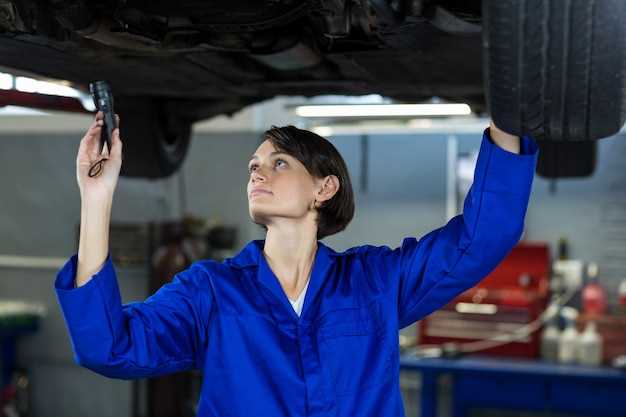
Regular oil changes are essential for the care and longevity of your car’s engine. Oil acts as a lubricant, reducing friction between the engine components, which helps prevent wear and tear. Over time, oil breaks down and loses its effectiveness, making it crucial to adhere to a routine oil change schedule.
Most manufacturers recommend changing the oil every 3,000 to 7,500 miles, depending on the type of oil used and your driving conditions. Consult your owner’s manual for specific guidance tailored to your vehicle. Neglecting this task can lead to dirt and contaminants accumulating, which can cause engine overheating and decreased efficiency.
When performing an oil change, ensure that you replace the oil filter as well. A new filter keeps the oil clean and free from debris, further enhancing engine performance. Using high-quality oil that meets the specifications for your car will provide better protection and support optimal engine function.
Regular maintenance through oil changes not only enhances the life of your engine but also contributes to better fuel economy. A well-lubricated engine runs more smoothly, requiring less energy to operate. Therefore, establishing a routine for oil changes is one of the simplest yet most effective ways to ensure your car remains reliable for years to come.
Check and Maintain Tire Pressure for Optimal Performance
Maintaining proper tire pressure is essential for the optimal performance of your car. Regular checks and care of tire pressure can significantly enhance safety, fuel efficiency, and prolong the lifespan of your tires. Here are some key points to consider:
- Understand Recommended Pressure: Always refer to the car’s manual or the sticker located on the driver’s side door jamb for the manufacturer’s recommended tire pressure.
- Check Tires Regularly: Perform checks at least once a month and before long trips. Use a reliable tire pressure gauge for accurate readings.
- Consider Temperature Differences: Tire pressure can fluctuate with temperature changes. Check pressures when tires are cold, usually in the morning before driving.
- Inspect for Visible Damage: While checking pressure, look for signs of wear and tear, such as cracks, bulges, or foreign objects lodged in the tire.
Proper tire maintenance requires attention to detail. Following these steps ensures that your car performs at its best. Neglecting tire care can lead to:
- Increased tire wear, resulting in more frequent replacements.
- Poor fuel economy due to increased rolling resistance.
- A higher risk of blowouts or loss of vehicle control.
In conclusion, regular checks and mindful maintenance of tire pressure is a simple yet crucial aspect of reliable long-term car maintenance. Prioritizing this task will not only improve performance but also enhance overall safety on the road.
Inspect and Replace Air Filters to Ensure Clean Airflow
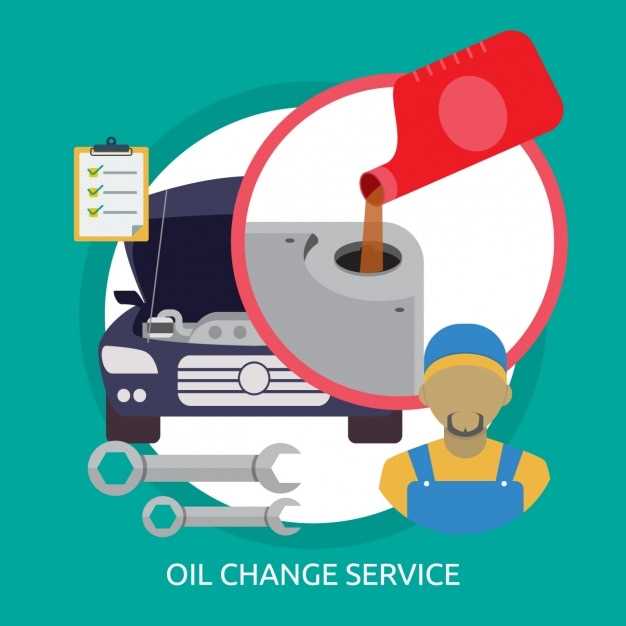
Regular inspection and replacement of air filters are crucial components of effective car care. Air filters play a vital role in maintaining clean airflow to the engine, which enhances performance and fuel efficiency. A dirty or clogged air filter can restrict the airflow, leading to a decrease in engine power and an increase in fuel consumption.
Incorporating air filter checks into your routine maintenance schedule helps identify issues before they escalate. It is recommended to inspect air filters every 12,000 miles or as specified in your owner’s manual. During inspections, look for debris, dirt, and any signs of wear. If the filter appears discolored or excessively dirty, it should be replaced.
Replacing air filters is a straightforward process that can often be done at home with minimal tools. Ensure you use a compatible filter type specific to your vehicle model for optimal results. By taking these steps, you not only enhance the longevity of your car but also improve its overall efficiency. Prioritizing clean airflow contributes significantly to a well-maintained vehicle, reflecting the importance of meticulous car care in achieving reliable long-term performance.