

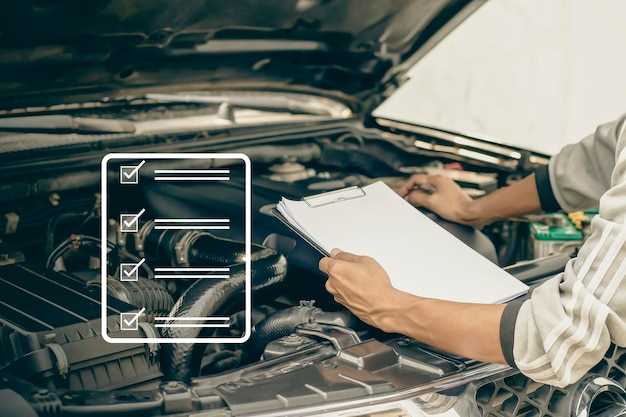
Proper maintenance of your vehicle’s emissions system is crucial for ensuring optimal performance and compliance with environmental regulations. The emissions system plays a vital role in reducing harmful pollutants released into the atmosphere, making its upkeep essential not only for the health of your vehicle but also for the environment.
Regular checks and services can prevent costly repairs in the future and enhance fuel efficiency. Ignoring the emissions system can lead to increased emissions, reduced engine performance, and even significant fines from regulatory bodies. By understanding the components of your emissions system and their functions, you can better appreciate the importance of routine maintenance practices.
Incorporating a comprehensive maintenance schedule that includes monitoring for leaks, checking filters, and ensuring all sensors are functional will help keep your vehicle running smoothly. This proactive approach not only secures your compliance but also maximizes your vehicle’s lifespan and reliability on the road.
Regular Inspection and Diagnosis of Emissions Components

Regular inspection and diagnosis of emissions components are crucial for maintaining the efficiency of your vehicle’s emissions system. By routinely checking these parts, you ensure optimal performance, reduce harmful outputs, and align with environmental regulations.
Components such as catalytic converters, oxygen sensors, and exhaust gas recirculation (EGR) valves play significant roles in the emissions system. A precise diagnosis can identify faults early, preventing bigger issues that may arise from neglect. For instance, a failing oxygen sensor can lead to an improper air-fuel mixture, resulting in increased emissions and reduced fuel efficiency.
Scheduled inspections should include a visual examination and electronic diagnostics using specialized tools. This approach allows for the detection of worn-out parts or software errors impacting the emissions control strategy. Furthermore, timely repairs based on these diagnostics not only enhance the system’s performance but also contribute to lower operating costs by ensuring the vehicle runs efficiently.
Ultimately, a commitment to regular inspection and thorough diagnosis of emissions components ensures that your emissions system operates at peak efficiency, benefiting both the environment and your overall driving experience.
Steps for Cleaning and Repairing Exhaust System Parts

Maintaining your vehicle’s emissions system is crucial for optimal performance and environmental compliance. To ensure your exhaust system operates efficiently, follow these steps for cleaning and repairing its components.
1. Gather Necessary Tools and Materials: Before starting, collect the required tools such as wrenches, a socket set, wire brushes, a vacuum, and a cleaning solution specifically designed for exhaust systems. Wearing protective gear is also essential.
2. Inspect Exhaust System: Carefully examine the entire exhaust system, including the catalytic converter, muffler, and pipes. Look for signs of corrosion, damage, or blockages that could hinder emissions performance.
3. Clean the Exhaust Components: Start with the exterior parts. Use a wire brush to remove rust and debris from the surface. For the interior, particularly the catalytic converter, consider using a high-temperature cleaning solution. Apply the solution and let it sit before rinsing thoroughly.
4. Check and Replace Gaskets: Inspect the exhaust gaskets for wear or damage, which can lead to leaks. If any gaskets are compromised, replace them to maintain a proper seal and prevent emissions leaks.
5. Repair or Replace Damaged Parts: If you find substantial damage during your inspection, evaluate whether the part can be repaired or needs replacement. For minor issues, welding may suffice, while severely damaged components should be replaced to preserve overall system integrity.
6. Reassemble Exhaust System: Once cleaning and repairs are complete, carefully reassemble the exhaust system. Ensure all bolts are tightened to manufacturer specifications to prevent leaks and ensure optimal performance.
7. Perform Regular Maintenance: To maintain your exhaust system’s longevity, establish a regular maintenance routine. Schedule periodic checks and cleanings to prevent future issues and maintain emissions compliance.
By following these steps diligently, you can enhance the efficiency of your vehicle’s emissions system and ensure a cleaner environment.
Monitoring Software and Sensors for Emissions Management
Effective emissions management is crucial for maintaining compliance with environmental regulations and optimizing system performance. Monitoring software and sensors play a pivotal role in identifying, tracking, and managing emissions in real time. These tools provide critical data to ensure that emissions remain within permissible limits while also helping to identify areas where maintenance may be required.
Modern monitoring software integrates with various sensors deployed within the emissions system. These sensors measure pollutants, such as CO2, NOx, and particulate matter, providing accurate and timely readings. Advanced software solutions can analyze this data, offering insights into emission trends, system performance, and potential issues, allowing for proactive maintenance strategies.
The implementation of monitoring systems not only aids in regulatory compliance but also promotes operational efficiency. By continuously monitoring emissions levels, facilities can identify inefficiencies and address them before they escalate into costly repairs or system failures. This proactive approach facilitates timely maintenance, ensuring that the emissions system operates optimally.
Moreover, the data collected through monitoring software can be invaluable for reporting purposes. Facilities can compile detailed emissions reports automatically, simplifying compliance with environmental regulations and enhancing transparency with stakeholders. This data-driven approach supports informed decision-making regarding the system’s maintenance and operational strategies.
In conclusion, integrating monitoring software and sensors into emissions management strategies serves to maintain system efficacy while ensuring compliance with environmental standards. This combination of technology not only facilitates regular maintenance but also promotes sustainable practices, ultimately benefiting both the environment and the operational bottom line.