

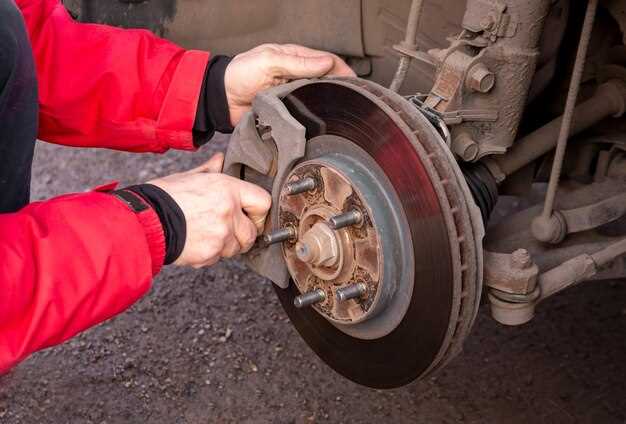
The braking system of a vehicle is crucial for both safety and performance. A well-maintained brake system not only enhances driving experience but also significantly extends the lifespan of brake components. Understanding how different driving habits and maintenance practices can affect your brakes is essential for every driver.
Frequent stops, aggressive driving, and neglecting routine maintenance can lead to premature wear and tear of brake parts. By adopting practical measures and being mindful of your driving style, you can prolong the lifespan of your brakes. This article will provide valuable insights into the best practices that all drivers should implement to ensure their brake system remains efficient and reliable.
From understanding the importance of regular inspections to learning how to adjust your driving habits, these tips will empower you to take control of your vehicle’s braking performance. Join us as we explore effective strategies to enhance the durability of your brakes and promote safer driving for you and others on the road.
Adjusting Driving Speed to Reduce Brake Wear
One of the most effective ways to extend the lifespan of your brakes is by adjusting your driving speed. High speeds increase the amount of force required to bring a vehicle to a stop, leading to accelerated brake wear. By maintaining a moderate speed, you can significantly lessen the strain on your braking system.
Anticipate Traffic Conditions: Being aware of your surroundings allows you to anticipate stops more effectively. By gently easing off the accelerator and coasting to a stop rather than applying hard braking at high speeds, you can reduce brake friction and heat buildup. This not only helps in prolonging brake lifespan but also improves fuel efficiency.
Utilize Engine Braking: When driving downhill or on slopes, use engine braking to decelerate the vehicle. Shifting to a lower gear can help control speed, reducing reliance on brake pads. This technique redistributes the effort away from the brakes, leading to less wear and tear during extended descents.
Regularly Adjust Speed to Conditions: Adapting your driving speed to the current weather, road conditions, and traffic can also lead to a reduction in brake use. In rainy or icy conditions, maintaining a lower speed not only enhances safety but decreases the frequency of braking needed, thereby prolonging overall brake lifespan.
By consciously adjusting your driving habits and speeds, you can effectively extend the service life of your brake system while enhancing your driving safety.
Maintaining Proper Tire Pressure and Alignment
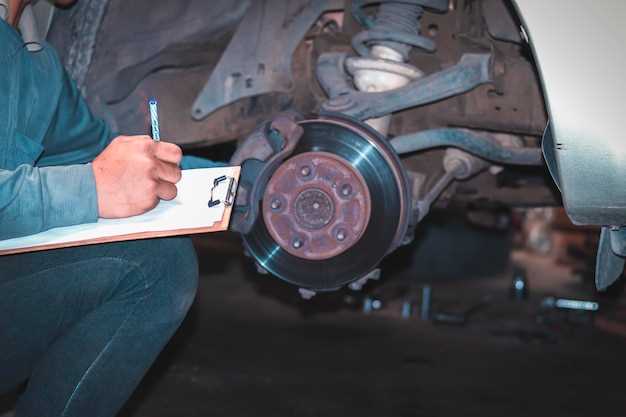
Maintaining proper tire pressure and alignment is essential for prolonging the lifespan of your brakes. When tire pressure is too low or too high, it can lead to uneven wear on tires, which directly affects your vehicle’s handling and performance. Under-inflated tires increase rolling resistance, causing the engine to work harder and requiring more braking force. This additional strain can lead to premature brake wear.
Regularly checking tire pressure is a simple habit that can prevent costly repairs. It’s recommended to check the pressure at least once a month and before long trips. Ensure that your tires are inflated to the manufacturer’s recommended levels, typically found in the owner’s manual or on a sticker inside the driver’s door jam.
Alignment plays a critical role in how your vehicle drives and stops. Misaligned wheels can cause your vehicle to pull to one side, leading to uneven braking and increased brake pad wear. It’s advisable to have your alignment checked whenever you notice your steering wheel is off-center or after hitting a significant pothole. An alignment adjustment restores your vehicle’s stability, ensuring that brakes engage evenly on all wheels.
Incorporating these habits into your routine can significantly impact your driving experience and extend the lifespan of your braking system. By maintaining optimal tire pressure and alignment, you enhance overall vehicle safety, improve fuel efficiency, and reduce the need for frequent brake replacements.
Regular Brake System Inspections and Maintenance
Maintaining the brake system is crucial for extending its lifespan and ensuring safety on the road. Establishing good habits concerning regular inspections and maintenance can significantly impact the performance of your vehicle’s brakes.
- Schedule Routine Inspections: Set a timetable for brake system inspections, ideally every 6 months or 6,000 miles. This allows for early detection of any issues that could compromise brake performance.
- Check Brake Pads: Regularly examine the thickness of the brake pads. If they are worn down to less than a quarter of an inch, it’s time for replacement to maintain braking efficiency.
- Inspect Brake Fluid: Monitor brake fluid levels and quality. Contaminated fluid can lead to brake failure; replace it as recommended by the vehicle manufacturer.
- Examine Brake Rotors: Inspect brake rotors for signs of wear and warping. Uneven surfaces can lead to reduced braking power and damage to other components.
- Listen for Unusual Noises: Pay attention to sounds such as squealing or grinding when applying brakes. These noises often indicate that brake pads need replacement or that other parts require attention.
- Maintain Brake Lines: Inspect the integrity of brake lines for leaks, cracks, or corrosion. Damaged lines can lead to reduced braking ability and should be fixed immediately.
Incorporating these habits into your vehicle maintenance routine not only enhances brake lifespan but also ensures a safer driving experience. By committing to regular brake system inspections, you can avoid costly repairs and ensure your vehicle remains roadworthy.