


As temperatures rise during the summer months, ensuring that your environment remains comfortable becomes crucial. Effective cooling systems can significantly reduce the risk of overheating, enhancing both productivity and well-being. However, even the most advanced systems may require additional strategies to maintain optimal temperatures.
Understanding how to prevent overheating not only protects your health but also prolongs the lifespan of your cooling system. Simple yet effective measures can make a significant difference in reducing heat levels indoors. From efficient ventilation to strategic window management, each step contributes to a cooler atmosphere.
In this article, we will explore practical tips and techniques designed to help you stay cool during those sweltering days. By implementing these strategies, you can avoid the discomfort and potential health risks associated with excessive heat.
Recognizing Signs of Overheating in Your Vehicle

When the temperature rises, it’s essential to stay vigilant and monitor your vehicle for signs of overheating. Your car’s cooling system plays a crucial role in maintaining optimal engine temperature, and any failure in this system can lead to severe engine damage.
One of the most immediate signs of overheating is the temperature gauge on your dashboard. If the needle moves into the red zone or higher than normal, it indicates that the engine is becoming too hot. Additionally, keep an eye out for warning lights that may illuminate, specifically the temperature warning light, which serves as an alert to check your cooling system.
You may also notice steam emitting from under the hood. This is often a clear indication that coolant is boiling over due to excessive heat. If you observe steam, it’s crucial to pull over safely and let the vehicle cool down to prevent further damage.
Listen for unusual sounds as well. A whining or hissing noise may signal that the cooling system is under strain. Additionally, a decrease in engine power or performance can be a result of overheating, as the engine may struggle to operate efficiently in such conditions.
Another sign to watch for is the smell of burning fluid. If you detect a sweet odor, it could indicate coolant leakage, which can exacerbate overheating issues. Lastly, be mindful of the coolant level in your reservoir; a significantly low coolant level can indicate a leak or other cooling system problems.
Recognizing these signs early can help you take preventive measures and avoid costly repairs. Regular maintenance of your vehicle’s cooling system is key to ensuring it operates efficiently, especially in hot weather.
Essential Maintenance for Your Cooling System
Regular maintenance of your cooling system is crucial to preventing overheating during hot weather. Start by inspecting and replacing air filters as needed, as clogged filters can restrict airflow and decrease efficiency. Clean or replace these filters at least every three months to ensure optimal performance.
Next, check the condenser unit outside your home. Remove any debris such as leaves, dirt, or grass that may have accumulated around the unit. This allows for proper airflow, ensuring the system can effectively dissipate heat and function efficiently.
Inspect the refrigerant levels in your cooling system. Low refrigerant can cause the system to work harder, leading to overheating and potential damage. If levels are low, it’s essential to contact a professional to add refrigerant and check for leaks.
Additionally, ensure that the thermostat is functioning correctly. An incorrectly calibrated thermostat can cause your system to cycle on and off excessively, which can lead to overheating. Calibrate or replace the thermostat if it does not maintain accurate temperatures.
Finally, schedule regular professional maintenance checks. A qualified technician can identify potential issues before they become major problems, ensuring your cooling system operates efficiently and effectively throughout the hot months.
Practical Tips for Staying Cool as a Driver
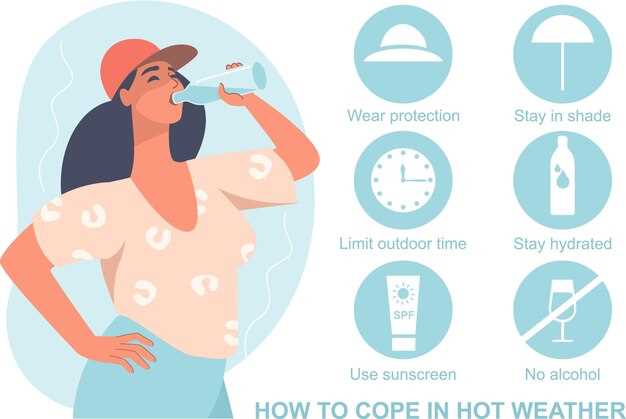
Driving in hot weather can lead to overheating, both for vehicles and drivers. To maintain comfort and safety, consider these practical tips.
First, always park in the shade whenever possible. This helps keep your car’s interior temperature lower, reducing the need for extensive cooling when you first get in. If shade isn’t available, use a windshield sunshade to reflect sunlight and protect the dashboard from sun damage.
Before starting your journey, ventilate your vehicle by opening the windows for a few minutes. This allows hot air to escape, making it easier for your air conditioning system to cool the cabin. Once inside, close all windows before turning on the A/C. Set your air conditioning to the maximum setting initially, and then adjust to a comfortable level once the interior cools down.
Use the recirculation mode on your vehicle’s cooling system. This helps maintain a cooler environment as it recycles the air within the car instead of drawing in hot air from outside, which can help prevent overheating during prolonged driving.
Dress appropriately for warm weather. Lightweight, breathable fabrics can help you stay cool. Consider wearing light-colored clothing, as dark colors absorb heat more efficiently.
Don’t forget to stay hydrated. Keep a bottle of water within reach to avoid dehydration, which can make you feel hotter and more fatigued. Avoid heavy meals before driving, as they can increase discomfort and fatigue.
Lastly, take regular breaks during long drives. Find a safe area where you can get out of the car to stretch and cool down. These stops can help prevent overheating and boost your alertness on the road.