

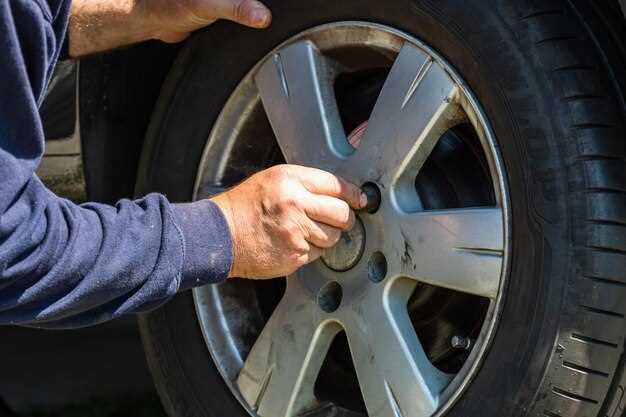
Wheels play a crucial role in the safety and performance of any vehicle. Over time, they can be subjected to various forms of damage that may compromise their integrity. Regular inspection of wheels is essential to ensure they remain in optimal condition and to prevent potential accidents caused by wheel failure.
In this guide, we will explore the key steps involved in inspecting wheels for cracks and other signs of damage. Understanding how to identify these issues early on can save you from costly repairs and ensure a safer driving experience. From visual checks to the use of specialized tools, we will cover everything you need to know to keep your wheels in top shape.
Proper inspection techniques can help detect subtle signs of damage, such as hairline cracks or bent rims, which may not be immediately apparent. By dedicating time to this critical maintenance task, you not only enhance the longevity of your wheels but also contribute to the overall safety of your vehicle on the road.
Identifying Common Types of Wheel Damage

Wheels are crucial components of any vehicle, and regular inspection is essential to ensure their safety and performance. Identifying common types of damage can prevent more severe issues and enhance longevity. Understanding these damages enables swift action and repairs, thereby maintaining vehicle safety.
One prevalent type of damage is cracks, which can appear due to stress or impact with obstacles like potholes or curbs. These cracks may be superficial or extend deeply into the wheel structure, risking the wheel’s integrity. Inspection for cracks should occur regularly, focusing on the rim and spokes, as minor cracks can escalate into major failures.
Bends are another common issue, often resulting from collisions or harsh impacts. A bent wheel can cause imbalances, leading to poor handling and uneven tire wear. During inspection, look for any irregular shape or signs of deformation, which indicates that the wheel may need repair or replacement.
Corrosion is frequently found on wheels, particularly those exposed to harsh environments or road salts. This type of damage can weaken the material over time, posing safety risks. Inspect for signs of pitting or flaking paint, which indicates rust formation that can compromise the wheel’s strength.
Scratches and scrapes are typically cosmetic but can signify underlying issues if they penetrate the protective coating. These damages may expose the wheel to corrosion and could indicate prior impact. Regular inspection helps determine the severity of scratches and whether they necessitate more extensive repair.
Lastly, excessive wear on the wheel’s surface, particularly in areas that contact the tire, can lead to performance issues, including vibrations while driving. Regularly check the tread area for uneven wear patterns, which may hint at misalignment or other mechanical problems. Addressing these issues quickly can prolong the lifespan of both the wheel and the tire.
Step-by-Step Wheel Inspection Process
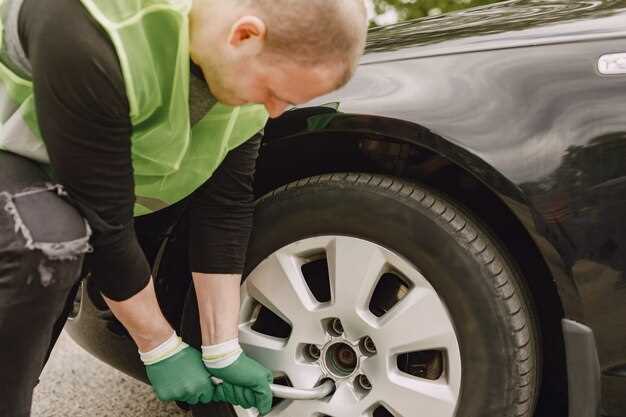
The wheel inspection process is crucial for maintaining vehicle safety and performance. Follow these steps to ensure thorough examination of your wheels for cracks and damage.
Begin by gathering necessary tools, which include a flashlight, a tire pressure gauge, and a soft cloth. Ensure the vehicle is parked on a flat surface and that the parking brake is engaged to prevent any movement during inspection.
Start with a visual inspection of the wheel surface. Look for any obvious signs of damage such as cracks, dents, or bent rims. Use the flashlight to illuminate areas that may be hard to see, focusing on the inner and outer edges of the wheel.
Next, examine the wheel for corrosion or rust. This can weaken the structural integrity of the wheel. Pay close attention to the areas around the bolt holes, as corrosion is often more prevalent in these locations.
Check the wheel for proper inflation. Use a tire pressure gauge to verify that the pressure levels are within the manufacturer’s recommended specifications. Under-inflated or over-inflated tires can cause uneven wear and potential damage to the wheel.
Inspect the tire bead where the tire meets the wheel. Look for signs of separation, which can indicate that the tire is not properly seated on the wheel, potentially leading to air loss or tire failure.
Finally, rotate the wheel slowly while continuing your visual inspection. This will help you identify any hidden cracks or deformities that may not have been immediately visible. Make sure to check across the entire surface area as well as at angles to catch any irregularities.
If any cracks or significant damage are identified during this inspection process, it is vital to consult a professional for further evaluation or replacement of the wheel. Regular inspections can prevent safety hazards and extend the lifespan of your wheels.
When to Seek Professional Help for Wheel Repair
Performing regular inspection of your wheels is essential to ensure safe driving. However, there are situations when the damage is beyond your ability to repair. Seeking professional help is necessary under the following circumstances:
Firstly, if you notice visible cracks or significant dents on the wheel surface, it’s crucial to consult a professional. Even minor imperfections can compromise the integrity of the wheel, increasing the risk of failure while driving.
Additionally, if your wheels exhibit uneven wear patterns, this may indicate deeper issues that require expert evaluation. A professional can identify whether misalignment, suspension problems, or structural weaknesses are contributing to this wear.
In cases where you experience vibrations or unusual noises while driving, it’s imperative to seek assistance immediately. These symptoms can signal serious damage that, if left unaddressed, may lead to accidents or further vehicle damage.
Lastly, if you’ve recently hit a pothole or curb, even if there are no visible signs of harm, it’s wise to have your wheels checked. Hidden damage might not be apparent during a casual inspection, but a professional can conduct a thorough assessment to ensure your safety.
In summary, when in doubt, it’s better to err on the side of caution and consult with a wheel repair specialist. They possess the expertise needed to accurately diagnose any issues and recommend effective solutions.