


In today’s world, vehicle emissions testing has become a crucial aspect of ensuring environmental protection and public health. As urban areas become increasingly crowded, the need to monitor and limit vehicle pollutants is paramount. This practice not only aids in reducing harmful emissions but also addresses legal requirements set forth by government regulations. Compliance with these laws is essential for maintaining air quality and safeguarding the environment.
Vehicle emissions testing serves as a legal mechanism designed to assess a car’s environmental impact. By mandating regular tests, authorities can effectively identify non-compliant vehicles that contribute to air pollution. Testing helps to enforce standards that ensure all vehicles on the road meet specific emission criteria, thereby fostering a healthier atmosphere. Furthermore, compliance with these regulations is not merely a suggestion; it is an obligation for vehicle owners and manufacturers alike.
Regular emissions tests provide critical data necessary for informing policy decisions and improving automotive technology. As manufacturers innovate, testing ensures that they adhere to emission standards, effectively driving advancements in clean technology. Consequently, the act of testing becomes a fundamental step toward achieving a sustainable future, ultimately benefiting both society and the planet.
Key Benefits of Regular Emissions Testing for Vehicle Owners

Regular emissions testing is crucial for vehicle owners as it ensures compliance with environmental regulations. Governments around the world have established legal standards to limit harmful emissions from vehicles. By participating in emissions testing, owners can verify that their vehicles meet these standards and avoid potential fines or legal repercussions.
Another significant benefit is the conservation of the environment. Emissions testing helps identify vehicles that produce excessive pollutants, allowing owners to make necessary repairs or upgrades. This not only leads to cleaner air but also contributes to the overall reduction of greenhouse gases, promoting a healthier ecosystem.
Moreover, regular testing can enhance vehicle performance and fuel efficiency. A vehicle that passes emissions tests is less likely to experience major mechanical issues, leading to smoother operation and potentially lower fuel costs. By addressing emissions-related problems early, owners can save on repairs and maintain their vehicles in optimal condition.
Lastly, staying informed about vehicle emissions can boost resale value. Buyers often prefer vehicles that have consistently passed emissions testing, as it indicates well-maintained vehicles. By keeping up with emissions standards, owners can improve their chances of selling the vehicle at a better price in the future.
Navigating Legal Requirements for Emissions Compliance in Your Area
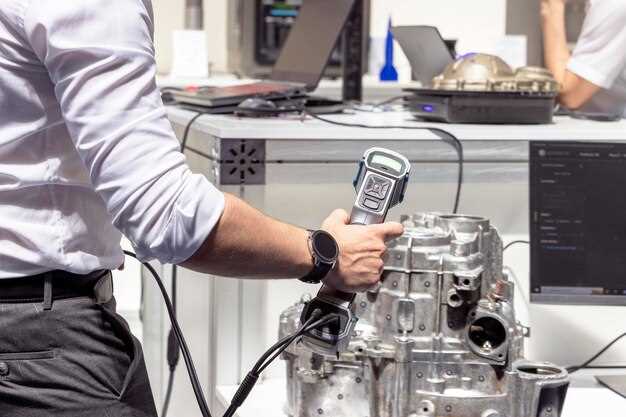
Understanding the legal landscape surrounding vehicle emissions compliance is crucial for both vehicle owners and businesses. Local, state, and federal regulations vary significantly, so it’s essential to know the specific requirements applicable to your area.
Most jurisdictions require emissions testing for vehicles to ensure they meet environmental standards. This testing usually involves checking exhaust emissions to determine whether they exceed allowable limits. Depending on your location, the frequency of these tests can vary; some areas mandate annual inspections, while others may require them only during vehicle registration or renewal.
It is important to stay informed about any changes in legislation that may affect emissions compliance. Regulatory bodies often update standards based on new environmental data or technological advancements. Vehicle owners should regularly consult their local Department of Motor Vehicles (DMV) or equivalent authority for current information on emissions regulations.
Failure to comply with emissions testing requirements can lead to penalties, including fines or restrictions on vehicle operation. In some regions, non-compliance may also result in reduced resale value for your vehicle, as many buyers prioritize emissions compliance when selecting used cars. Therefore, proactively addressing emissions compliance can save you from future legal and financial troubles.
In addition to understanding local laws, consider seeking assistance from certified emissions testing facilities. These professionals can provide guidance on how to prepare your vehicle for testing, interpret results, and make necessary adjustments to ensure compliance. Staying ahead of emissions testing requirements not only protects the environment but also safeguards your investment in your vehicle.
Impact of Non-Compliance: Fines, Penalties, and Environmental Consequences
The legal framework surrounding vehicle emissions testing is designed to ensure that all vehicles on the road meet established environmental standards. Non-compliance with these regulations can lead to significant fines and penalties for vehicle owners and manufacturers alike. Authorities enforce strict measures to deter individuals and companies from evading emissions tests, as failure to comply can result in hefty financial consequences and even legal ramifications.
Fines can vary widely depending on the jurisdiction and the severity of the infraction. In many cases, first-time offenders might face moderate penalties, but repeat offenders can incur escalating costs. Manufacturers found to violate emissions standards may also face class-action lawsuits, leading to substantial compensation payments to affected consumers.
Beyond the financial implications, the environmental consequences of non-compliance are profound. Vehicles that do not pass emissions tests contribute to increased levels of air pollution, which can have detrimental effects on public health and ecosystems. Elevated emissions from non-compliant vehicles can exacerbate climate change and lead to more stringent regulations in the future.
In conclusion, adhering to legal emissions standards through regular testing is crucial for both financial stability and environmental stewardship. The long-term impact of ignoring these regulations can harm not only the violators but also society as a whole.